
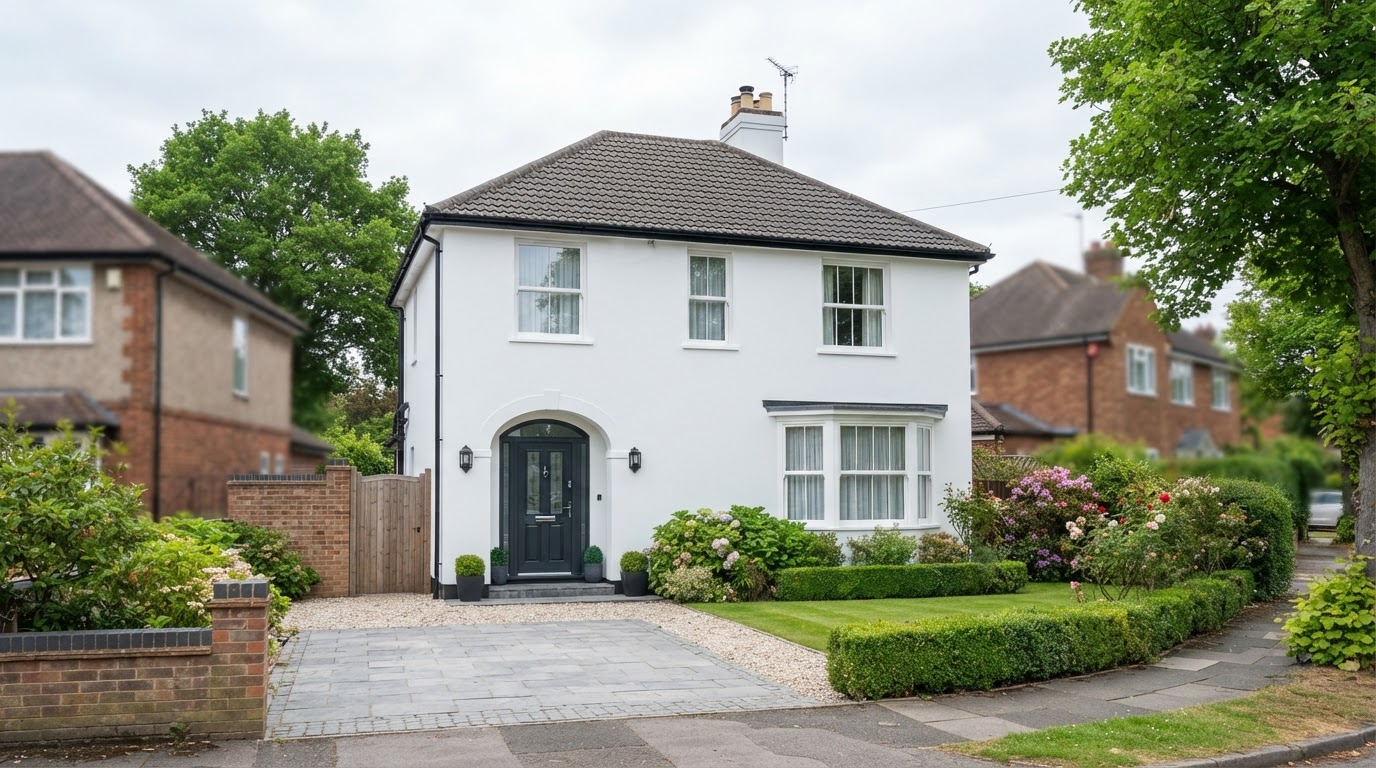
Render cleaning is one of the most effective ways to restore the appearance of a property's exterior. Whether your home features a modern silicone render system or a more traditional finish, removing algae, dirt and organic staining can dramatically improve kerb appeal. But a common question homeowners ask is: how long does render cleaning last?
Professional render cleaning can keep your property looking significantly cleaner for years, but there isn't a fixed lifespan for every home. How long the results last depends on factors such as the render type, surrounding environment, weather conditions and the level of organic growth.
In this guide, we explain what influences render cleaning longevity, why some walls become dirty more quickly than others, and what you can do to help keep your render looking its best for as long as possible.
How Long Should Render Cleaning Last?
There is no single answer that applies to every property. In ideal conditions—a well-exposed, south-facing wall with no overhanging trees and good airflow—render cleaning results can last for several years before any noticeable regrowth appears. In contrast, a shaded, north-facing wall surrounded by mature trees may begin to show green staining again within twelve to eighteen months.
This variation is entirely normal and does not mean the cleaning was ineffective. It simply reflects the fact that algae and organic growth are driven by environmental conditions. The same property can have walls that stay clean for years and others that need attention far sooner.
What matters most is understanding the factors that influence longevity so you can set realistic expectations and plan maintenance accordingly.
What Affects How Long the Results Last?
Several factors determine how quickly render becomes dirty again after cleaning. The most significant include:
- Shade: Walls that receive little direct sunlight stay damp for longer, creating ideal conditions for algae.
- Tree cover: Overhanging trees deposit organic matter and reduce airflow, accelerating regrowth.
- Render type: Some render systems are more porous or textured than others, affecting how easily staining takes hold.
- Weather exposure: Properties in damp, exposed or coastal locations face more moisture-driven growth.
- Drainage: Overflowing gutters or leaking downpipes saturate render, increasing the likelihood of organic growth.
- Previous maintenance: Regularly maintained render tends to stay cleaner for longer than render that has been neglected for years.
Understanding these factors helps explain why two neighbouring properties can have very different experiences after cleaning.
Why Shaded Walls Become Dirty More Quickly
Shade is one of the most influential factors in render cleaning longevity. Algae requires moisture and limited sunlight to thrive. When a wall is shaded for most of the day—whether by the building's own orientation, neighbouring structures, or trees—the surface remains damp for extended periods.
This persistent dampness creates the perfect environment for algae spores to settle and multiply. Even after a thorough professional clean, a heavily shaded wall will typically show signs of regrowth sooner than a wall that basks in direct sunlight for most of the day.
This is not a sign that the cleaning has failed. It is simply a reflection of the conditions the wall faces. In our experience working across Sussex and Surrey, north-facing and heavily shaded elevations are the first to show green staining returning.
North-Facing vs South-Facing Walls
In the UK, north-facing walls receive the least direct sunlight throughout the year. This means they dry more slowly after rain and remain damp for longer, making them particularly susceptible to algae and organic growth. South-facing walls, by contrast, benefit from more direct sunlight, which naturally helps dry the surface and inhibit algal growth.
It is common for a single property to need cleaning on one elevation far sooner than another. This is why professional assessment is valuable—it allows the cleaning to be targeted where it is actually needed.
Does Tree Cover Make a Difference?
Trees have a significant impact on how quickly render becomes dirty. Overhanging branches and nearby vegetation contribute in several ways:
- Reduced airflow: Trees block natural ventilation, keeping the render damp for longer.
- Organic debris: Leaves, pollen and sap deposit organic matter onto the surface, feeding algae and mould.
- Shade: Tree canopies block sunlight, compounding the effect of a north-facing orientation.
- Water runoff: Rain dripping from branches can channel water down specific areas of the wall, creating persistent damp patches.
Properties surrounded by mature trees—common in many established Sussex and Surrey neighbourhoods—will typically need render cleaning more frequently than those on open, exposed estates.
Does the Render Type Matter?
Yes. Different render systems have different surface properties, and this affects how quickly staining develops and how long cleaning results last.
Common render types we clean include:
- Monocouche render: A through-coloured cement-based render. Its textured finish can hold organic growth if shaded.
- K Rend: A silicone render with water-resistant properties. It resists dirt better than traditional render but can still develop algae in damp conditions. Learn more in our guide on how to clean K Rend safely.
- Weber render: Another silicone-based system with similar properties to K Rend.
- Silicone render: Generally the most resistant to staining due to its water-repellent properties.
- Acrylic render: Less breathable than silicone systems, meaning it can hold moisture and develop staining in shaded areas.
- Painted render: Painted surfaces can be more prone to algae if the paint is ageing or if the surface is porous.
Silicone renders typically stay cleaner for longer than traditional cement renders, but no render system is completely immune to organic growth in the right conditions.
Can Algae Return After Cleaning?
Yes, algae can return after any cleaning method. This is because algae spores are airborne and present in the environment. Cleaning removes the visible growth and treats the surface, but it cannot permanently sterilise the wall against future contamination.
However, the rate at which algae returns depends on the factors we have discussed—shade, tree cover, render type and moisture. A well-maintained, south-facing silicone render wall may stay clean for several years, whilst a shaded, north-facing wall beneath trees may show regrowth within a year.
The goal of professional render cleaning is not to make the surface permanently immune to algae, but to restore its appearance and slow regrowth as much as possible.
Does a Biocidal Treatment Help?
A biocidal treatment can make a meaningful difference to how long render cleaning results last. After the visible staining has been removed, applying a render-safe biocide helps tackle any remaining spores and organic matter that are not visible to the naked eye.
The benefits of a biocide treatment after render cleaning include:
- Targets remaining spores: Biocide continues working after the clean to break down organic matter left on the surface.
- Slows regrowth: By treating the cause rather than just the symptom, biocide helps extend the time between cleans.
- Even coverage: Professional application ensures the treatment reaches the entire surface uniformly.
It is important to understand that biocide significantly slows regrowth but does not permanently prevent it. Environmental factors such as shade and nearby trees will still influence how quickly staining returns.
How Can Homeowners Keep Render Cleaner for Longer?
Whilst you cannot control the weather, there are practical steps homeowners can take to help extend render cleaning results:
- Trim nearby vegetation: Cut back trees, hedges and climbing plants that shade the render or deposit organic matter.
- Fix drainage issues: Repair overflowing gutters or leaking downpipes that saturate the render.
- Monitor shaded elevations: Check north-facing and shaded walls regularly and arrange cleaning before staining becomes extensive.
- Don't wait years between cleans: Regular, gentle maintenance is more effective and less risky than attempting to clean heavily stained render after years of neglect.
- Consider a biocide treatment: Ask your cleaning professional whether a biocidal treatment would benefit your property.
These steps help reduce the conditions algae thrive in, which in turn helps keep the render looking cleaner for longer.
Signs Your Render Is Ready for Cleaning Again
Knowing when to arrange another clean helps you maintain the appearance of your property without allowing staining to become deeply established. Common signs include:
- Green patches appearing on shaded or north-facing walls.
- Dark streaks or streaking below gutters or downpipes.
- Visible dirt or discolouration that does not wash away with rainfall.
- One elevation looking noticeably dirtier than the rest of the property.
- A generally tired or neglected appearance that affects kerb appeal.
If you notice any of these signs, arranging cleaning sooner rather than later typically produces better results and helps maintain the render in the long term.
Factors That Affect Render Cleaning Longevity
| Factor | Effect on How Long Results Last |
|---|---|
| North-facing walls | Results last the shortest time due to limited sunlight and persistent dampness. |
| South-facing walls | Results last the longest due to direct sunlight naturally inhibiting algae growth. |
| Heavy tree cover | Significantly shortens results due to shade, organic debris and reduced airflow. |
| Open sunny locations | Results last well due to good airflow and natural drying from sunlight. |
| Coastal environments | Salt and moisture can accelerate staining; results may vary depending on exposure. |
| Sheltered gardens | Reduced airflow can lead to faster regrowth, particularly on shaded elevations. |
Common Mistakes Homeowners Make
When it comes to maintaining render, there are several common mistakes that can reduce the effectiveness of cleaning or even cause damage:
- Waiting until the entire house turns green: Heavily stained render is harder to clean and may require more aggressive treatment.
- Using household bleach: Bleach and other harsh household chemicals can discolour render and damage surrounding plants.
- Pressure washing unsuitable render: High-pressure washing can damage textured finishes and force water behind the render. Read more in our guide on pressure washing render.
- Ignoring early algae growth: Small patches of green are easier to treat than widespread staining.
Avoiding these mistakes helps preserve the render and ensures that professional cleaning produces the best possible results.
A Realistic Homeowner Example
Consider a property in a leafy Sussex village with render on all four elevations. The south-facing front of the house receives direct sunlight for most of the day and stays clean for several years after a professional clean. The north-facing rear wall, however, is shaded by a mature oak tree and receives very little direct sunlight.
After the same professional clean, the front of the property remains looking fresh for years. The rear wall, by contrast, begins to show green algae returning within twelve to eighteen months. This is not a failure of the cleaning—it is a reflection of the different environmental conditions each wall faces.
In this situation, a targeted approach works best. Rather than cleaning the entire property every time the rear wall shows signs of algae, the homeowner can arrange cleaning for the affected elevation whilst leaving the still-clean front wall untouched. This is more cost-effective and practical.
Key Takeaways
- There is no fixed lifespan for render cleaning results—longevity depends on the property and environment.
- Shaded, north-facing walls typically need cleaning more frequently than south-facing walls.
- Tree cover, drainage and render type all influence how quickly staining returns.
- A biocidal treatment after cleaning can help slow regrowth and extend results.
- Regular, gentle maintenance is more effective than waiting years between cleans.
- Professional assessment ensures the safest and most appropriate cleaning method for your render system.
Frequently Asked Questions
How long does render cleaning last?
Results vary depending on factors such as shade, tree cover, render type and weather exposure. In favourable conditions, results can last several years. Shaded walls may show regrowth within twelve to eighteen months.
Will green algae come back?
Algae can return after any cleaning method because spores are airborne. However, a biocidal treatment after cleaning helps slow regrowth significantly.
Can render stay clean permanently?
No render system is permanently immune to organic growth. The goal of professional cleaning is to restore appearance and slow regrowth, not to sterilise the surface forever.
Does soft washing last longer?
Soft washing often produces longer-lasting results than pressure washing alone because it treats the cause of the staining—algae spores and organic matter—rather than simply removing the visible growth.
Does tree cover affect render?
Yes. Trees reduce airflow, deposit organic matter and block sunlight, all of which create conditions where algae thrive. Trimming back vegetation can help extend cleaning results.
Can render be protected?
A biocidal treatment after cleaning helps protect the surface by targeting remaining spores. However, no treatment permanently prevents regrowth in all conditions.
How often should render be cleaned?
This depends on the property. Shaded walls may need cleaning every one to two years, whilst well-exposed walls can go several years between cleans. Regular inspection helps determine the right schedule.
Can I clean render myself?
DIY render cleaning carries risks, particularly if the wrong products or methods are used. Professional cleaning ensures the correct method is selected for your render system. Learn more about our render cleaning services.
Will render cleaning change the colour?
Professional render cleaning should not change the colour of the render. It removes staining and organic growth to restore the original appearance. If the render has been damaged by aggressive cleaning in the past, the surface may appear patchy.
When should I have my render cleaned again?
Arrange cleaning when you notice green patches, dark streaks or visible discolouration. Cleaning sooner rather than later typically produces better results and helps maintain the render in the long term.
Final Conclusion
Render cleaning is a valuable investment in the appearance and maintenance of your property, but it is important to set realistic expectations. There is no fixed lifespan for cleaning results—longevity depends on the render type, the surrounding environment and the weather conditions your property faces.
Shaded walls, nearby trees and persistent dampness will all influence how quickly staining returns. Understanding these factors helps you plan maintenance effectively and avoid the disappointment of expecting permanent results from any cleaning method.
Professional assessment is the key to achieving the best outcome. Skyhawk Exterior Cleaning assesses every rendered property individually to determine the safest and most effective cleaning approach. If you are considering render cleaning for your property, explore our render and cladding cleaning services or learn more about when pressure washing is appropriate.
To get an accurate, upfront price, book a free video call quote or call our expert team on 01293 922 243. You can also view our frequently asked questions for more information.
Skyhawk Exterior Cleaning Ltd
9 Hylands Close, Crawley, RH10 6RX
Phone: 01293 922 243
Website: skyhawkexteriorcleaning.co.uk
Serving 130+ locations across Surrey & Sussex
Skyhawk Exterior Cleaning – A Hawk Eye for Detail.